1 April 2026
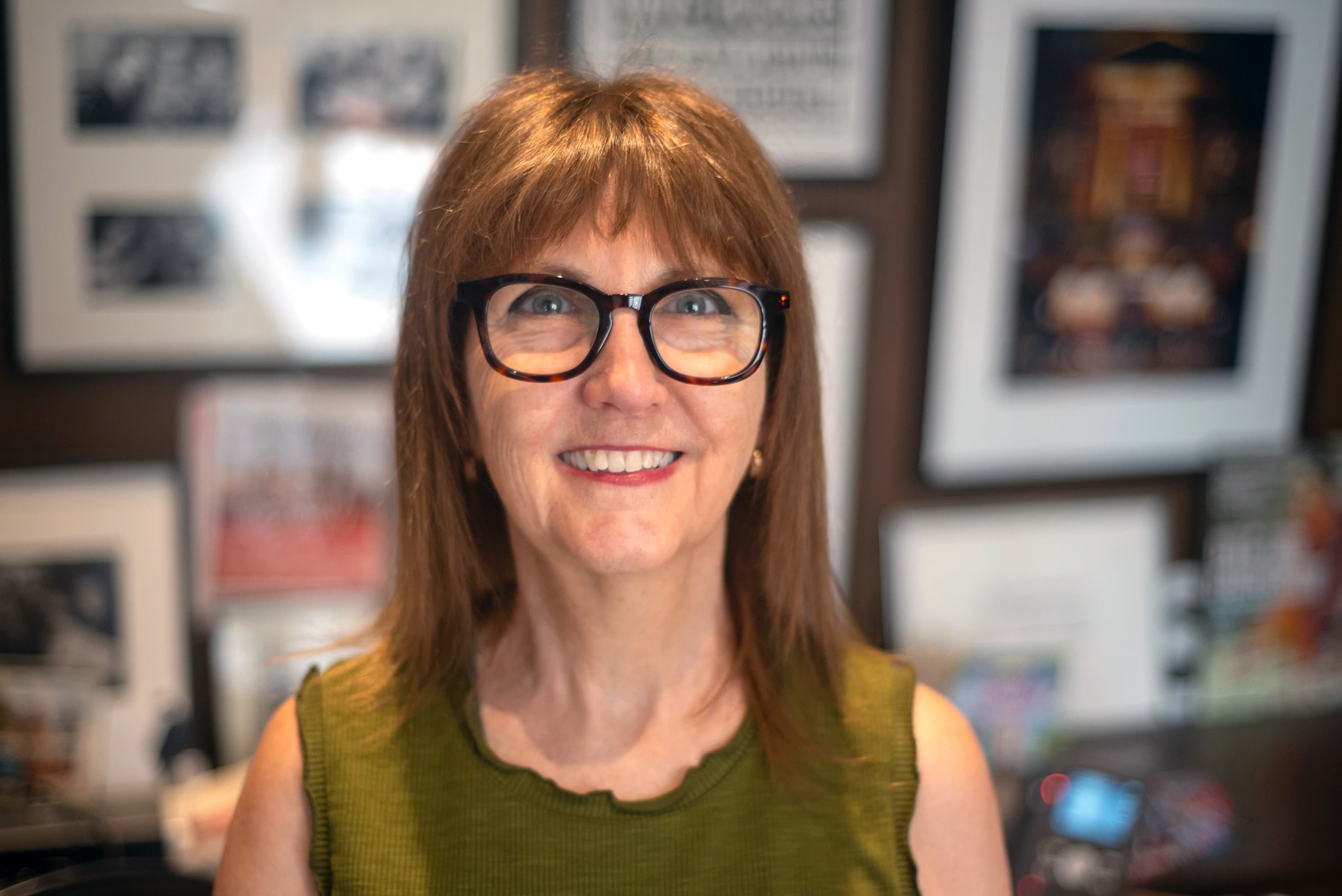
5 Questions with Susan Provan
1 April 2026
ArticleRead more
I love art museums and galleries, working with artists and associated teams, but over the last decade I’ve also become passionate about art-led education. I was working as Director of Monash University Museum of Art (MUMA) where we had built a great education program, testing out new ways of working with artists and a range of schools and faculties.
When the opportunity came up to come to join the University of Melbourne as Director of Art Museums and build on programs across Buxton Contemporary and the Potter Museum of Art, it was impossible to resist. It’s bigger and more complex structure poses challenges for me personally, as my experience to date has been in small–medium organisations, but we need to keep challenging ourselves, right?
I was also drawn to the chance to work with dedicated academic engagement colleagues and with the larger and more diverse collections, which opened up the possibility to be more interdisciplinary in our thinking.
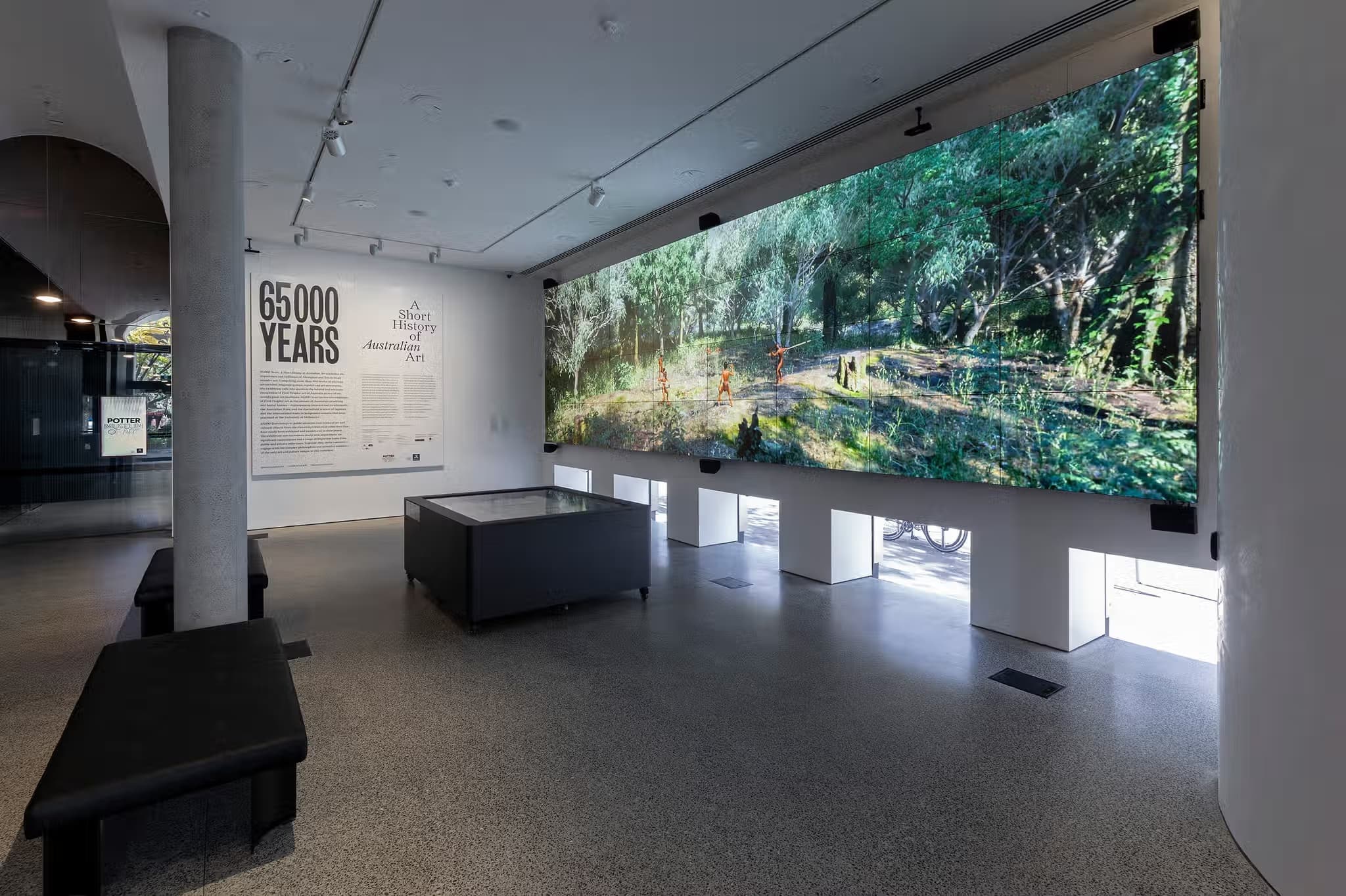
Another major drawcard was being involved in the re-opening of the Potter Museum of Art after an extended period of closure with the landmark show 65,000: A Short History of Australian Art, curated by Professor Marcia Langton AO, Judith Ryan and Shanysa McConville. While I only came into it on the home stretch, this has been a truly epic project with an incredible audience response.
It’s important to be open to new ideas and perspectives – to listen, collaborate and take on feedback. Just because something works now, it doesn’t mean it will continue to, so it’s important to keep testing assumptions. I’m comfortable with change, but where I lead it, I prefer an incremental change model, where culture and direction develop over time. That way, it’s more embedded and brings people along with it, recognising their strengths and interests.
Sometimes things don’t come out as perfectly as we planned, and having to shift things can lead to unanticipated benefits. Sometimes consensus doesn’t always work or isn’t possible, and I’m also comfortable making decisions. But my preference is to keep an eye on the direction and let things work themselves out rather than intervene too much, unless it’s essential.
I like a bit of humour at work, though I acknowledge my sense of irony is an acquired taste!
That’s so hard… but one would have to be the Tennant Creek Brio exhibition at ACCA. It was so ambitious, vibrant and creative. The artists spoke brilliantly about what motivated them, and it felt like an important moment of asserting culture and sovereignty of Country, using the detritus of the mining industry itself, but also being open to inspiration from everywhere.
I’m going to be greedy and add Archie Moore at the Australian Pavilion at the Venice Biennale because it also responds to impacts of colonisation but through such a different register. The Brio felt fast-paced and energetic, while Archie’s was slow, forensic almost and super powerful in a quieter way. I also really appreciated how Archie and curator Ellie Buttrose shared the process of making the exhibition and their learnings publicly. That was very generous of them and helped make such processes more transparent, bringing it back to the practice and contributors who made the exhibition successful.
I could go on… there are so many exhibitions.
We re-opened the Potter with an extraordinary exhibition, and I’m looking forward to seeing how we build upon this in the exhibitions we program there in the years to come.
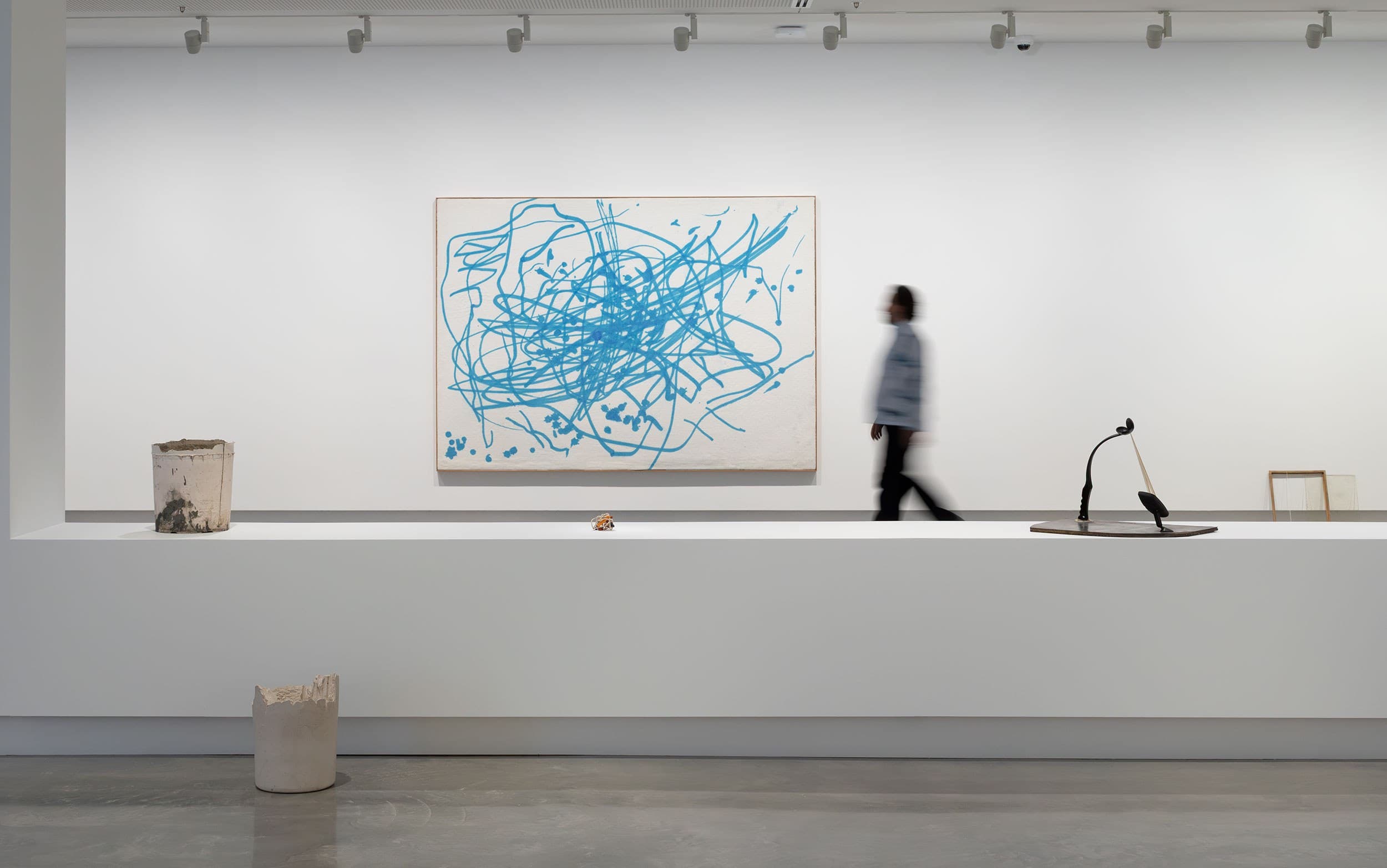
At Buxton Contemporary, we’re leaning into the artist’s worldview through in-depth solo exhibitions like Hany Armanious’s Stone Soup, developed with the Henry Moore Institute in Leeds and currently on show. Later in the year, we’ll present a new exhibition with Carol Yinghua Lu, curator at Beijing’s Inside Out Art Museum, charting the rise of conceptual art in China in the 1980s and 1990s.
Through the Buxton program, we’re championing the practices of Australian artists, particularly those grounded in the collection, while also creating dialogue with colleague organisations and artists internationally. I think one of Melbourne’s strengths is that it’s powerfully local but has also always had a wider international outlook, and I am excited that we can be part of that.
Oh gosh… so many things… but maybe I’ll mention the artist-in-residence program that has come out of a partnership with MAP Co and the Faculty of Science at the University of Melbourne’s Burnley Campus. The project has a strong focus on ecology, sustainability and biodiversity. Artist Francis Carmody was there over the last year and Keg de Souza has just begun her residency.
I’m really excited about this partnership with MAP Co and the co-support of artist research and connection across disciplines. We have incredible colleagues in the sciences at Burnley, and it’s a wonderful place to have a studio. While I think it’s unrealistic to think artists can change the world alone, they can influence the conversation. The environmental themes of this residency are some of the most pressing, and ones we can’t afford to have slip off the agenda.
Photo: James Henry